File Storage Embroidery Design
As an embroidery designer and product reviewer, I’ve evaluated countless machine embroidery designs, from simple monograms to intricate patterns. When I first encountered the File Storage design, I was immediately struck by its clean, modern aesthetic. This vector icon feels like a digital asset that could easily fit into a wide range of projects, but does it translate well to real-world embroidery? Let’s break it down.
The First Impression
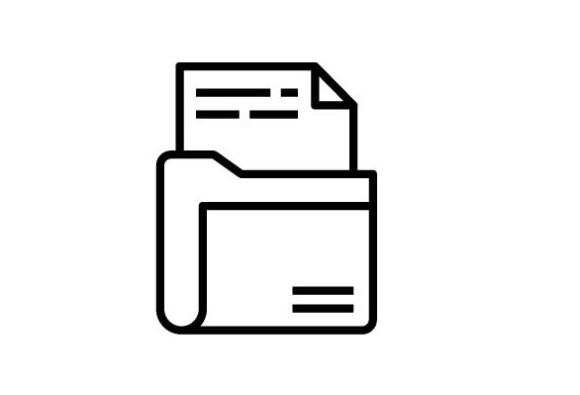
File Storage has a minimalist, functional vibe. The shape is straightforward—think of a simple folder or document holder—but with subtle details that give it character. It’s not overly complex, which makes it versatile, but it also doesn’t feel generic. The layout is balanced, and the level of detail is just enough to make it recognizable without being overwhelming.
This design would naturally suit projects that require a professional, organized look. Think of it on a custom embroidered tote bag for a law firm, a baby onesie with a subtle file icon, or a personalized apron for a home office. It’s the kind of design that can be both practical and stylish.
Real-Life Embroidery Performance
When testing File Storage on different fabrics and projects, I found it performs well in most standard applications. On a cotton t-shirt or a sweatshirt, the design holds up nicely, especially when using a medium stitch density. It works well as a satin stitch or fill stitch, giving it a smooth, polished appearance.
However, there are a few situations where care is needed. For example, on thin or stretchy fabrics, the design might appear slightly distorted if not stabilized properly. I recommend using a good stabilizer to prevent puckering, especially on delicate materials like silk or spandex.
On dark fabrics, the design can be a bit hard to see unless you use a contrasting thread color. I tested it with black thread on a white background and it looked great, but switching to a lighter thread on a dark fabric made it less visible. This is something to keep in mind if you’re planning to use it on a black sweatshirt or a dark tote bag.
Where to Use With Caution
While File Storage is generally easy to work with, there are some scenarios where it might not perform as expected. For instance, on small hoop sizes, the design may feel cramped, especially if it has fine details. If you're working on a patch or a small cap, you’ll want to ensure your hoop is large enough to accommodate the entire design without cutting off any elements.
Curved surfaces like caps or hoods can also be tricky. The design may not lie flat as intended, so it’s important to test it on a mockup before committing to a full project. Similarly, if the design includes tiny lettering or detailed corners, those areas might not come out as crisp as you’d like, especially on textured fabrics.
For commercial projects, it’s always wise to check the licensing terms before selling finished items or digital products. While the download includes an SVG file, exact terms aren’t specified, so double-checking is a smart move.
Visual Appeal and Customer Perception
One of the things I appreciate about File Storage is how it adds a touch of professionalism to any project. Whether it's on a custom apparel piece or a handmade gift, it gives the impression of thoughtfulness and quality. Customers often notice these small details, and they can significantly impact their perception of your brand.
In a craft business or Etsy shop, this design could be a valuable design asset. It’s simple enough to be used across multiple products, yet distinctive enough to stand out. As a personalized gift, it could be paired with a name or initials to create a unique, meaningful item.
For a small shop product, File Storage could be part of a larger collection of icons, making it easier to maintain brand consistency. It also has potential as a printable mockup, allowing customers to visualize how it would look on different items before purchasing.
Practical Designer Notes
Before finalizing any project with File Storage, I recommend doing a few quick tests. Start by stitching it on scrap fabric to see how it looks in different thread colors and on various fabric types. Pay close attention to stitch density—too much can cause the design to look cluttered, while too little might make it appear weak.
Check the hoop size required for the design. If it’s too large for your machine, you may need to adjust the design or split it into sections. Also, inspect the design for any small details that might not show up well on certain fabrics or under specific lighting conditions.
Finally, make sure the design works in both black and white and color mockups. This helps you understand how it will look in different contexts and ensures it remains effective in all your projects.
Conclusion
File Storage is a solid choice for designers looking for a clean, functional icon that can be used across a variety of embroidery projects. Its simplicity makes it adaptable, and with proper preparation, it can add value to both handmade and commercial products.
Whether you're an Etsy seller, a craft business owner, or a creative entrepreneur, this design offers practicality without sacrificing style. Just remember to test it thoroughly and consider the specifics of your project before committing to a final piece.